
How to Obtain a Building Permit (IMB) for Foreign Companies in Indonesia 2026
Introduction & Overview
Establishing a physical corporate presence in Indonesia—whether constructing a state-of-the-art manufacturing facility in a designated industrial zone, setting up a commercial warehouse, or fitting out a corporate headquarters—is a monumental milestone for foreign investors. For international enterprises operating under the Foreign Direct Investment (PMA) scheme, securing the appropriate property permits is a fundamental legal prerequisite before breaking ground. While international businesses frequently search for the legacy term IMB (Izin Mendirikan Bangunan), Indonesia's streamlined regulatory framework has fully modernized this process into the PBG (Persetujuan Bangunan Gedung) system.
Navigating the Indonesian construction permitting landscape as a foreign company requires meticulous attention to detail, adherence to strict spatial planning regulations, and seamless coordination across multiple digital portals. Any misstep in the documentation or failure to comply with local zoning laws can result in severe project delays, financial penalties, or even administrative suspension of commercial activities. Understanding the modern compliance ecosystem is crucial for safeguarding your capital investment and ensuring long-term operational continuity.
With over 15 years of dedicated expertise in corporate licensing and environmental documentation, PT. Cangah Pajaratan Mandiri (bizmark.id) has assisted hundreds of multinational corporations and foreign entrepreneurs in smoothly navigating Indonesia’s bureaucratic landscape. This comprehensive guide outlines the exact, updated protocols required to secure your building approvals in Indonesia efficiently and transparently.
The Evolution from IMB to PBG in 2026
Historically, foreign companies and local developers relied on the IMB to legalize building construction. However, under progressive legislative reforms, the old IMB framework was officially replaced by the PBG. Unlike its predecessor, which operated largely as a static permit, the PBG functions as a comprehensive standard that certifies a building’s design and technical compliance with national safety, health, and comfort standards. For foreign enterprises entering the market in 2026, recognizing this distinction is vital, as all applications must now be processed through the modern digital infrastructure rather than manual local government submissions.
Legal Framework & Applicable Regulations
The regulatory foundation governing building construction for foreign companies in Indonesia is anchored in structural reforms designed to boost ease of doing business while maintaining rigorous urban planning and environmental standards. The core legal architecture integrates national investment laws, regional spatial plans, and technical construction standards into a unified digital workflow.
Key Regulatory Pillars for Foreign Companies
Foreign investors must align their infrastructure projects with several cornerstone legal instruments:
- UU Cipta Kerja (Job Creation Law): The overarching legislative framework that streamlined business licensing, environmental compliance, and building approvals.
- Government Regulation No. 5 of 2021 (PP 5/2021): Regulates risk-based business licensing through the OSS-RBA system, categorizing construction and real estate activities based on risk levels.
- Government Regulation No. 16 of 2021 (PP 16/2021): The implementing regulation specifically governing building standards, technical specifications, and the administration of the SIMBG platform.
- Spatial Planning (RTRW/RDTR): Local zoning regulations that dictate where specific industrial, commercial, or mixed-use facilities can legally be established.
Furthermore, industrial and commercial developments must integrate environmental compliance from the outset. Depending on the scale and sector of the PMA, projects require environmental approvals—such as an AMDAL or UKL-UPL—processed through the AMDALNET system before architectural and structural plans can receive final clearance.
Requirements & Document Checklist
Before initiating an application through the digital portal, a foreign company must compile a robust portfolio of administrative, legal, and technical documents. Because PMAs are subject to specific land ownership restrictions (typically utilizing Hak Guna Bangunan / HGB or Hak Pakai rather than freehold ownership), verifying corporate land rights is the first critical checkpoint.
Technical and Administrative Documents Needed
A complete dossier for a commercial or industrial building permit application includes the following core components:
- NIB (Nomor Induk Berusaha): The primary Business Identification Number issued via the OSS-RBA system corresponding to the correct KBLI (Classification of Indonesian Business Fields) code.
- Land Legality Proof: Certificate of Land Ownership (Sertifikat Hak Milik/HGB/Hak Pakai), lease agreement, and land-use clearance from the landlord or industrial estate management.
- KKPR (Kesesuaian Kegiatan Pemanfaatan Ruang): Approval of conformity for space utilization, ensuring the project complies with regional zoning laws.
- Environmental Approval: Evidence of approved environmental documentation (SPPL, UKL-UPL, or AMDAL) obtained via AMDALNET.
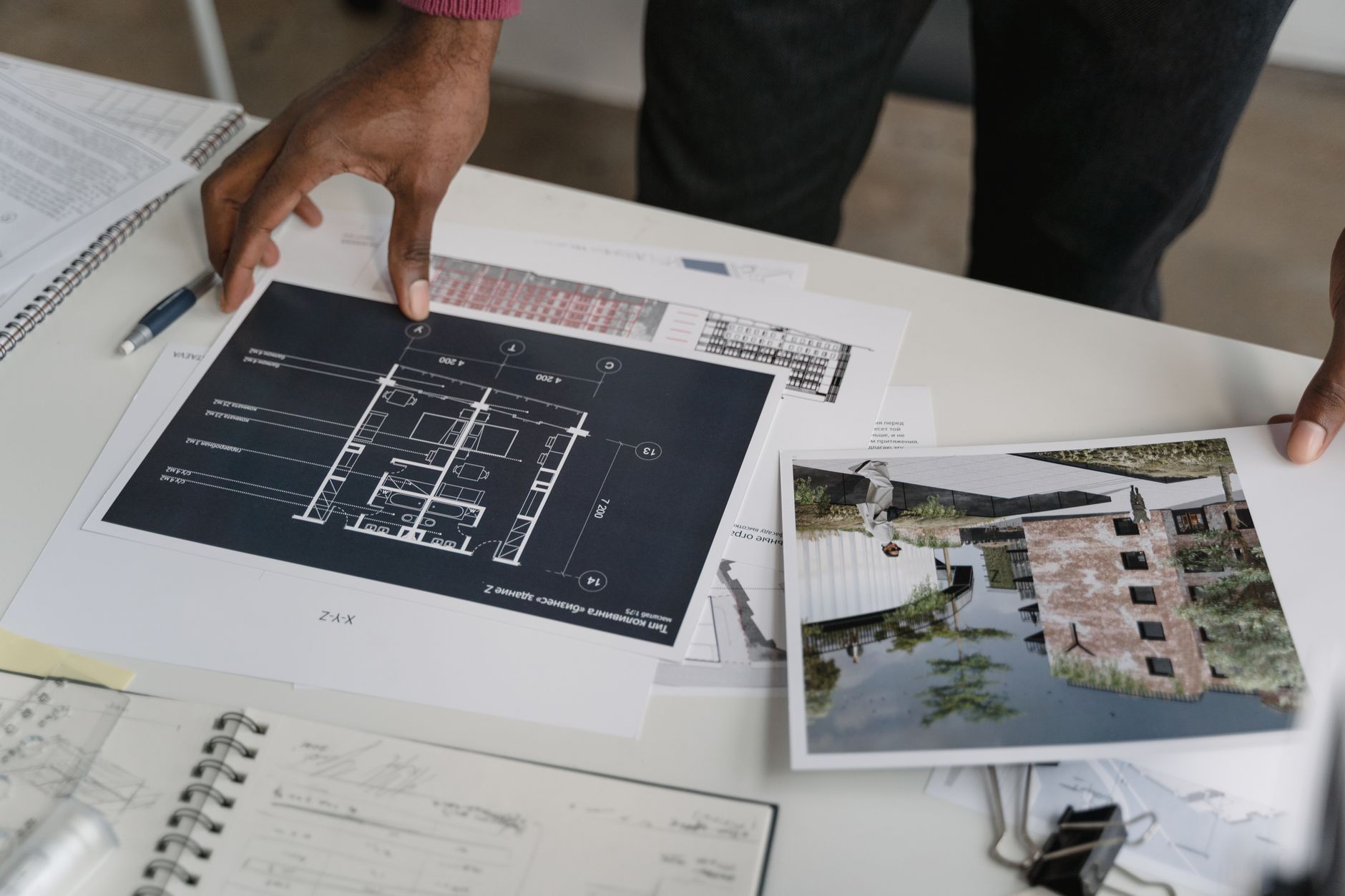
- Architectural & Engineering Drawings: Detailed blueprints including site plans, floor plans, elevations, structural calculations, MEP (Mechanical, Electrical, and Plumbing) layouts, and fire safety systems signed by certified local professionals ( tenaga ahli bersertifikat).
- Corporate Documents: PMA deed of establishment, Ministry of Law and Human Rights ratification, tax ID (NPWP), and director identification.
Step-by-Step Procedure
The application process for a building approval in Indonesia is entirely digitized, eliminating discretionary face-to-face interactions and ensuring transparency. The procedure is executed through the SIMBG (Sistem Informasi Manajemen Bangunan Gedung) platform, which links directly with the national OSS-RBA database.
The 2026 Digital Application Workflow
- Corporate Setup & Licensing (OSS-RBA): Ensure your PMA company is fully established with the correct KBLI codes, NIB, and verified KKPR spatial approval.
- Technical Design Preparation: Engage certified local architects and structural engineers to draft building plans that strictly adhere to Indonesian National Standards (SNI) for safety and accessibility.
- SIMBG Account Registration: Register the project on the official SIMBG portal using the corporate digital credentials and input basic project specifications (building function, floor area, location).
- Document Upload & Verification: Submit all administrative files, land documents, environmental clearances, and technical engineering blueprints through the portal.
- Technical Review (TPA/TPT): The local Building Expert Team (Tim Profesi Ahli / TPA) reviews the architectural and structural integrity of the design. Revisions may be requested during this phase.
- Retribution Calculation & Payment: Once technical approval is granted, the local government calculates the official building levy (Retribusi) based on local bylaws.
- PBG Issuance: Upon proof of retribution payment, the official Building Approval (PBG) is digitally issued, allowing construction to legally commence.
Estimated Cost & Timeline
For foreign investors, financial and temporal predictability is essential for project management. The cost and duration of securing a building permit in Indonesia depend heavily on the scale, complexity, geographical location, and designated function of the structure.
In terms of timeline, a standard commercial or industrial building approval typically takes between 4 to 8 weeks from the date of complete technical document submission through the SIMBG system. However, this timeframe assumes that architectural and structural plans comply fully with local spatial and safety codes on the first submission. Projects requiring complex environmental studies (AMDAL) or located in strict conservation zones may require additional months during the preliminary planning phase.
Regarding costs, expenses are generally categorized into professional engineering fees, environmental consultancy costs, and official government retribution fees (Retribusi). Government levies are calculated using specific regional formulas factoring in the building's index, floor area, and economic value. Engaging experienced local consultants ensures transparent budgeting and prevents unexpected financial setbacks caused by bureaucratic miscalculations.
Practical Tips & Common Pitfalls to Avoid
Foreign companies frequently encounter avoidable obstacles due to unfamiliarity with local bureaucratic nuances and technical standards. Proactive risk management is key to maintaining project momentum.
Best Practices for a Smooth Approval Process
- Never Start Construction Prematurely: Breaking ground before obtaining official digital PBG approval can result in heavy administrative fines, halting orders, or mandatory demolition.
- Verify Land Zoning Early: Ensure the chosen plot of land explicitly permits your specific commercial or industrial activity under regional spatial plans before signing long-term lease or purchase agreements.
- Partner with Certified Local Experts: Architectural and engineering designs must be stamped by Indonesian-certified professionals who understand SNI standards and local municipality expectations.
- Maintain Synchronization Between Systems: Ensure data entered in the OSS-RBA portal matches exactly with the SIMBG platform and environmental applications in AMDALNET to avoid administrative rejections.
Strategic Investment Insights
When structuring your property acquisition and construction timeline, build a buffer of at least two months into your master schedule dedicated entirely to regulatory compliance and permitting. Working alongside established regulatory consultants streamlines this phase, allowing foreign executives to focus on core business operations while local experts manage compliance complexities.
Conclusion & Consultation
Securing a building permit for a foreign company in Indonesia requires navigating a sophisticated ecosystem of digital platforms, spatial laws, and technical building standards. While the transition to the modernized PBG and SIMBG framework offers greater transparency and efficiency, meeting every statutory requirement demands precision, local expertise, and proactive coordination.
Need professional assistance? Our team at PT. Cangah Pajaratan Mandiri (bizmark.id) is ready to help you navigate Indonesian licensing, environmental documents, and building approvals seamlessly. Contact our expert consultants today to ensure your investment project proceeds securely and efficiently.
Related Articles
Read more articles from Bizmark:
- Preparing for Government Audits: A Compliance Guide for Foreign Companies in Indonesia
- Essential Due Diligence Checklist for Mergers & Acquisitions in Indonesia (PMA Focus)
- Essential Environmental Permits for Manufacturing in Indonesia (2026): A Checklist for PMAs
- 5 Common Mistakes Expats Make with Business Licenses in Indonesia (and How to Avoid Them)
- Optimizing Your Environmental Permit Renewals: A Proactive Approach for International Businesses in Indonesia